

Nigel Peake

Hand Drawn Glass
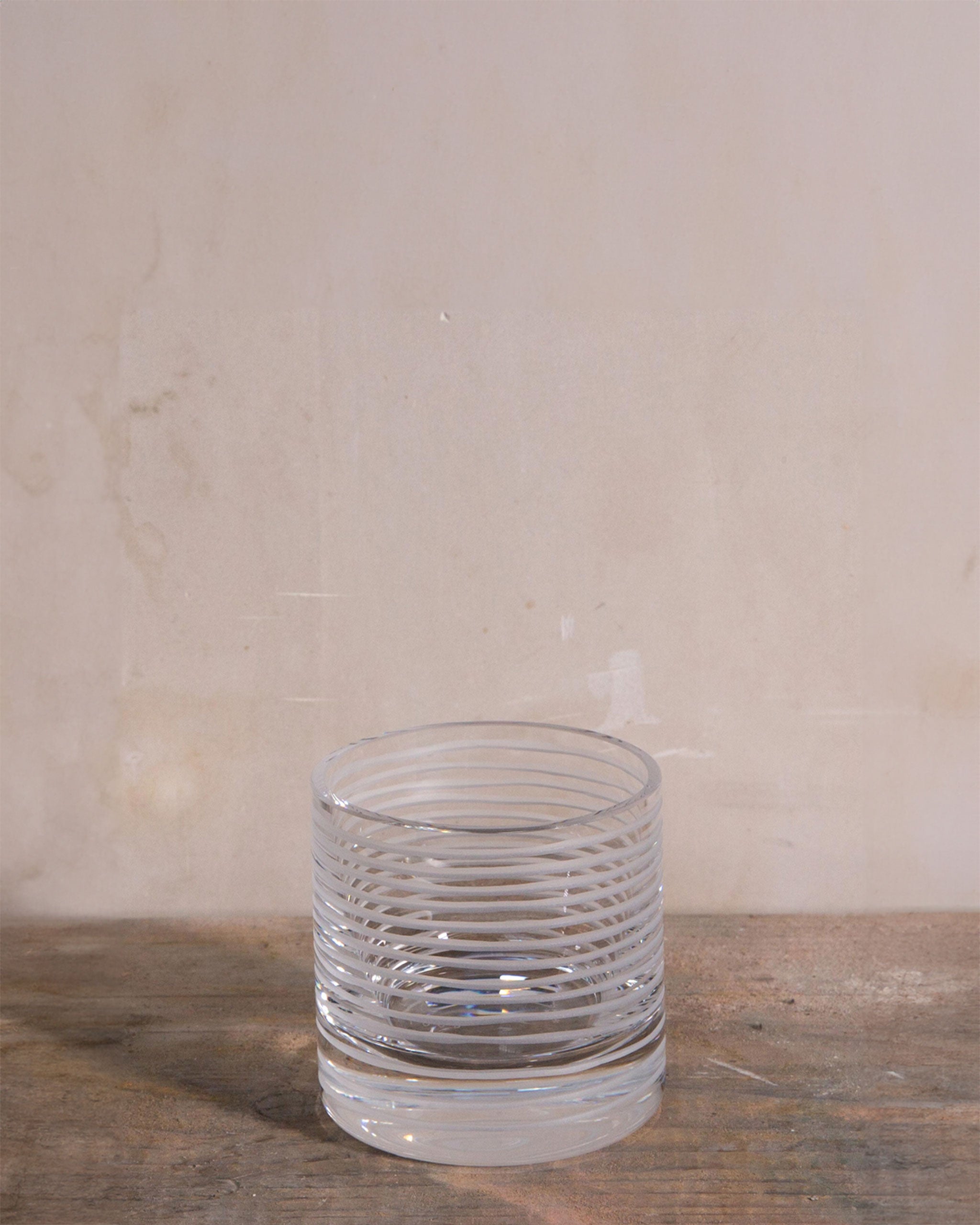
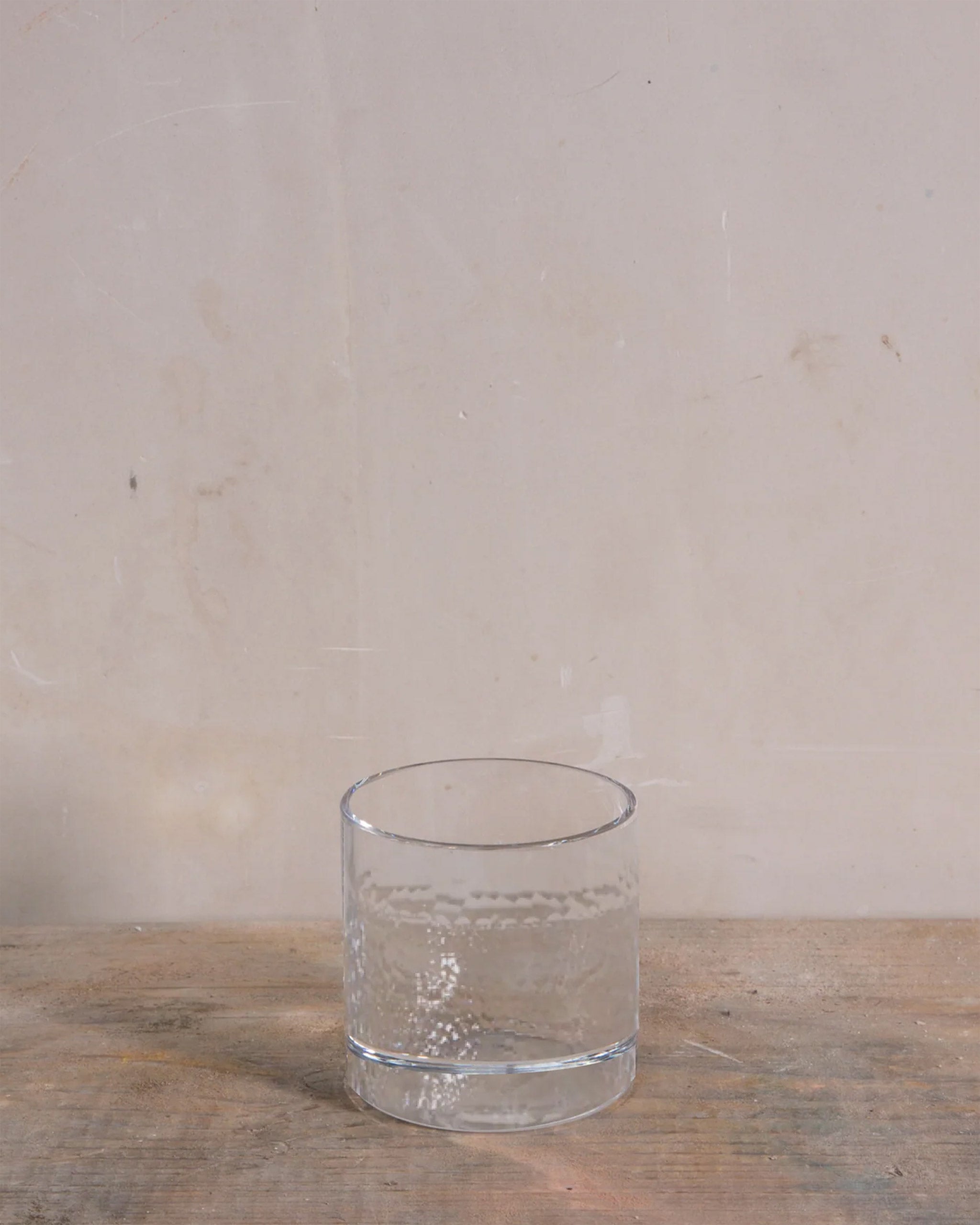
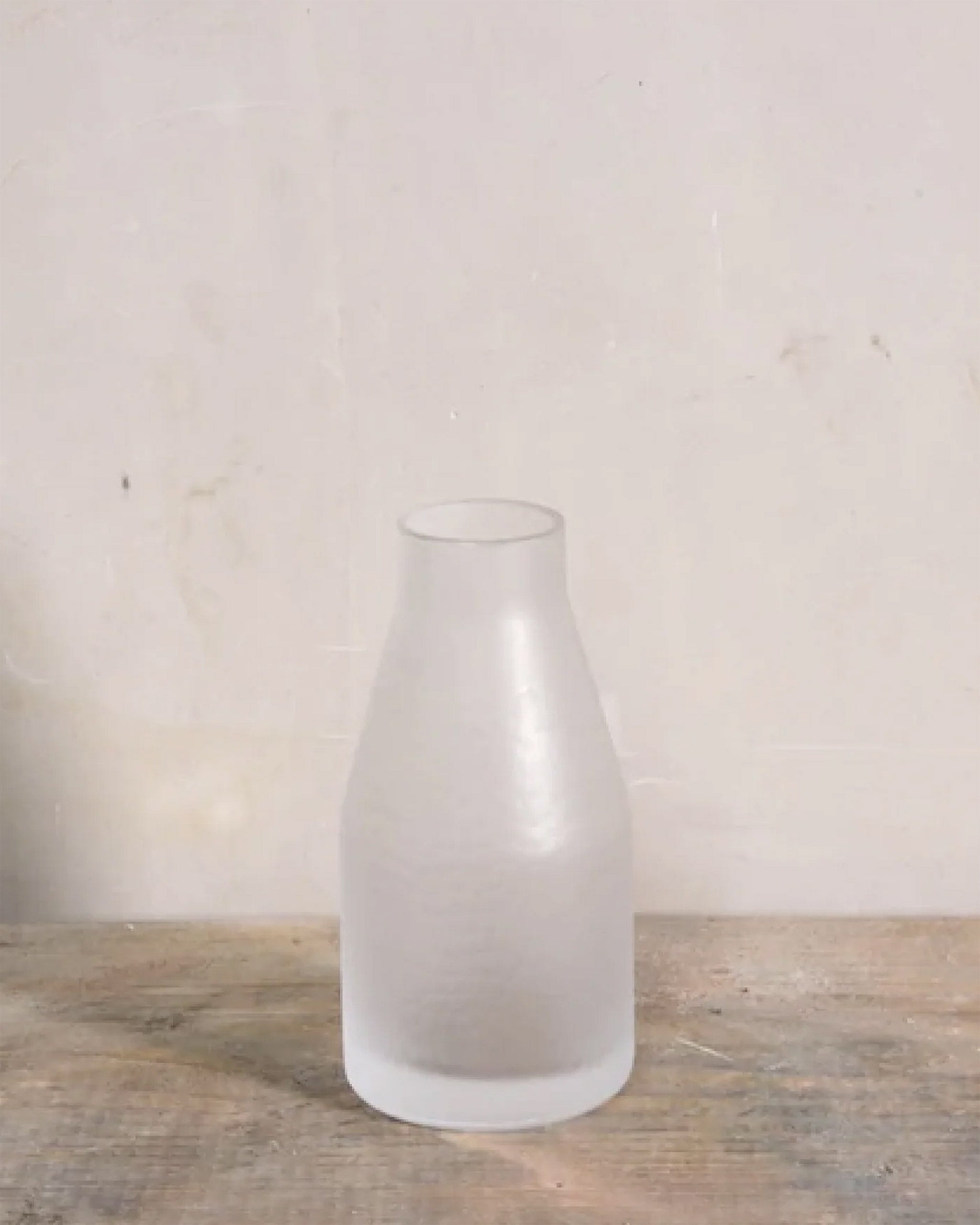
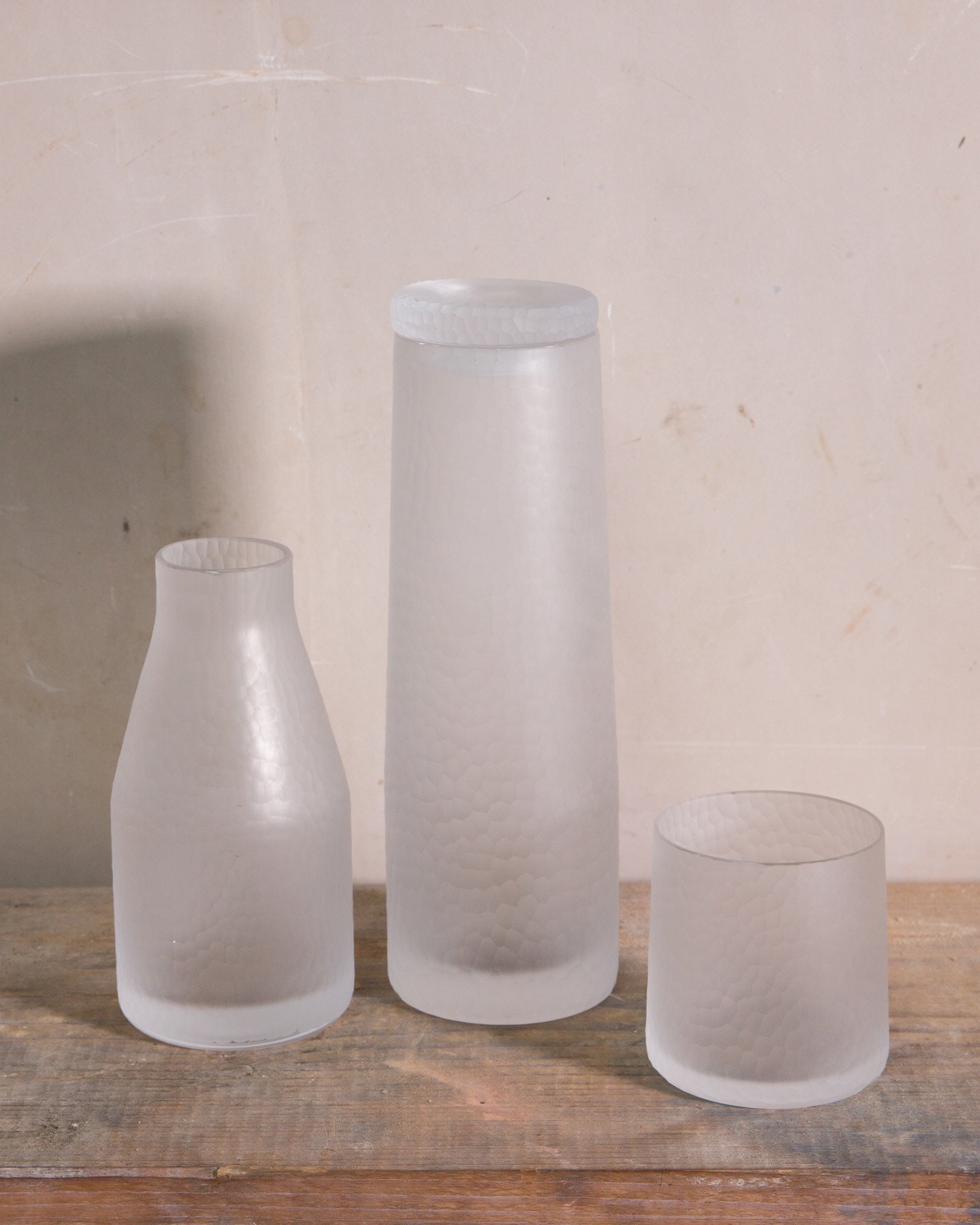
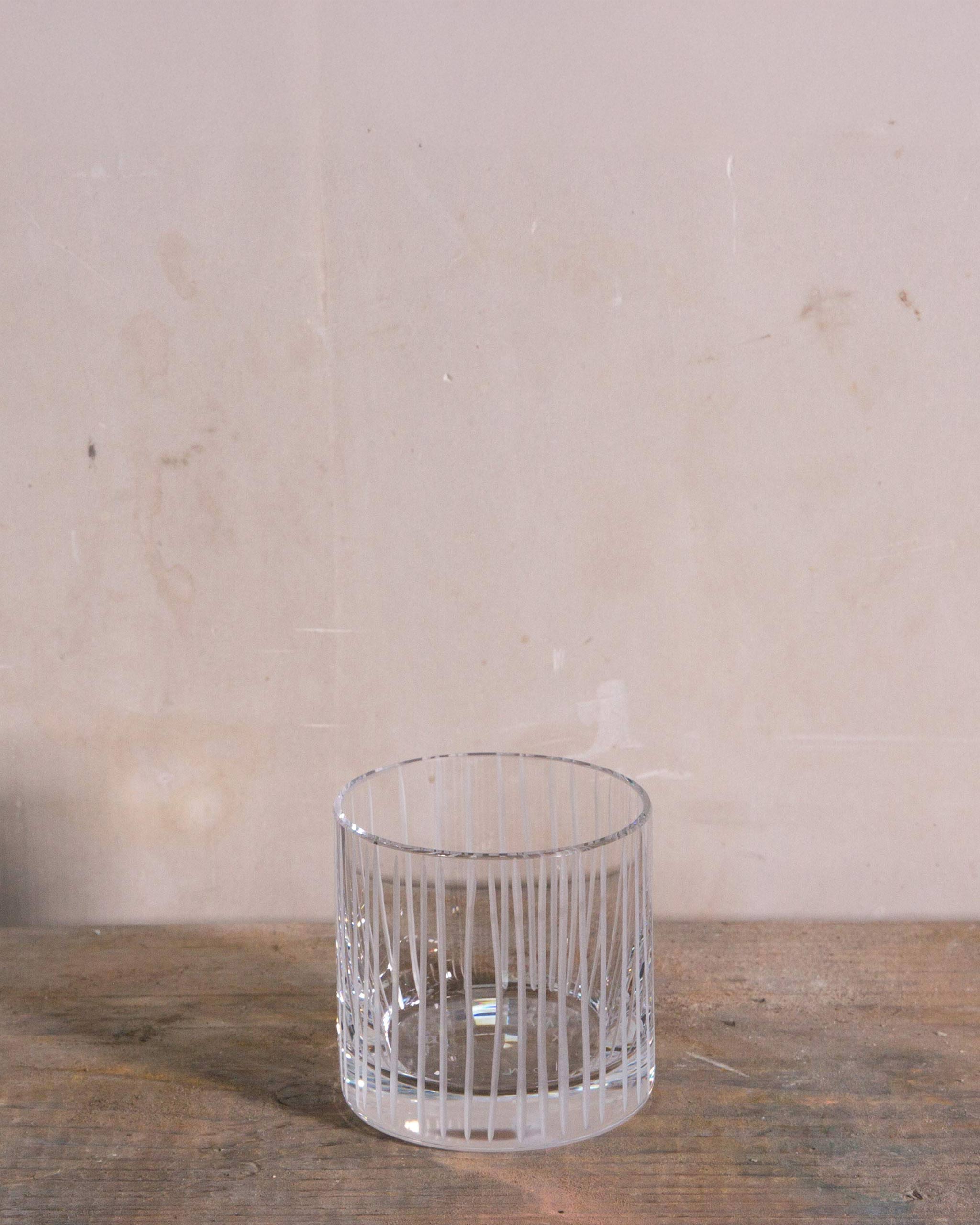
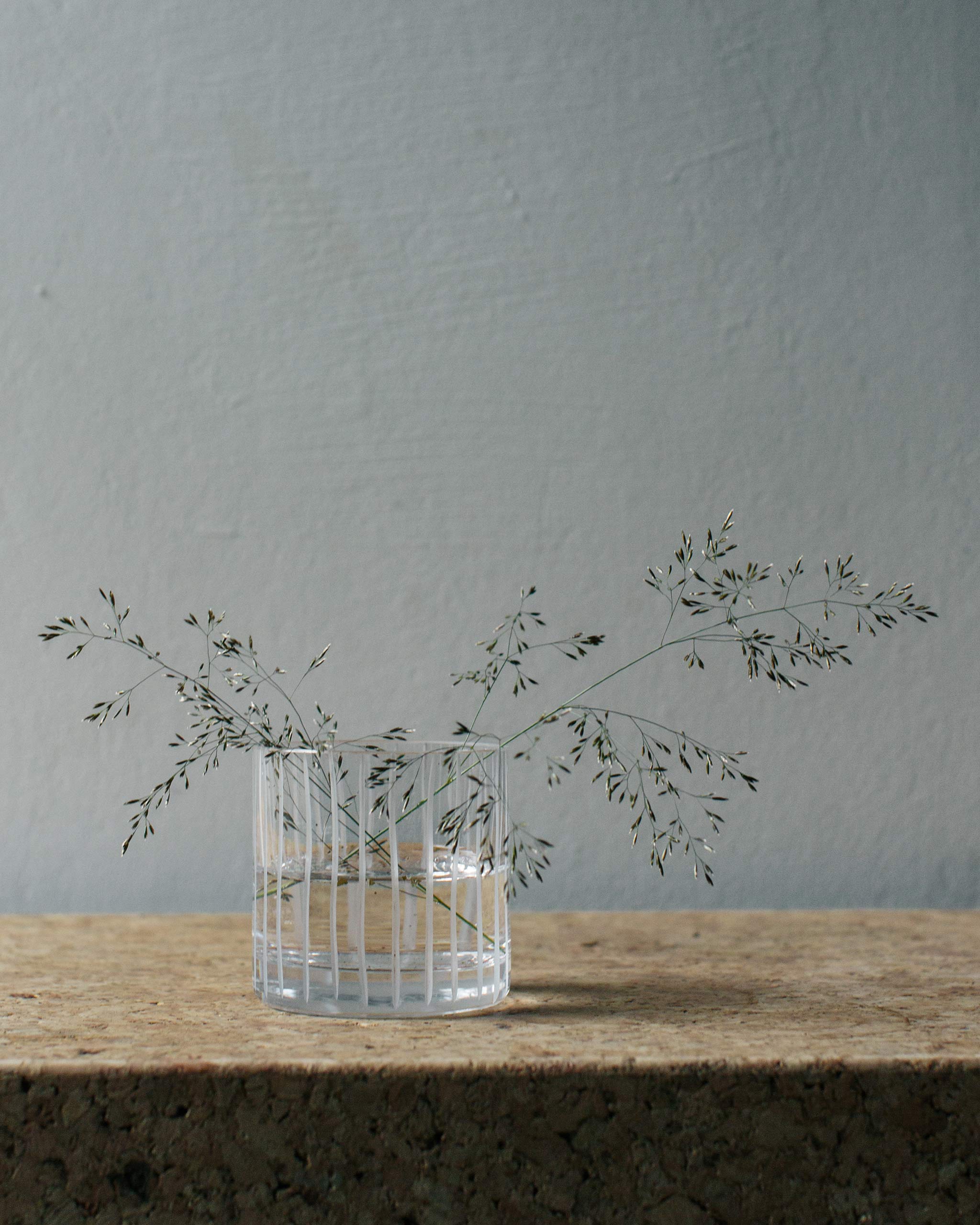
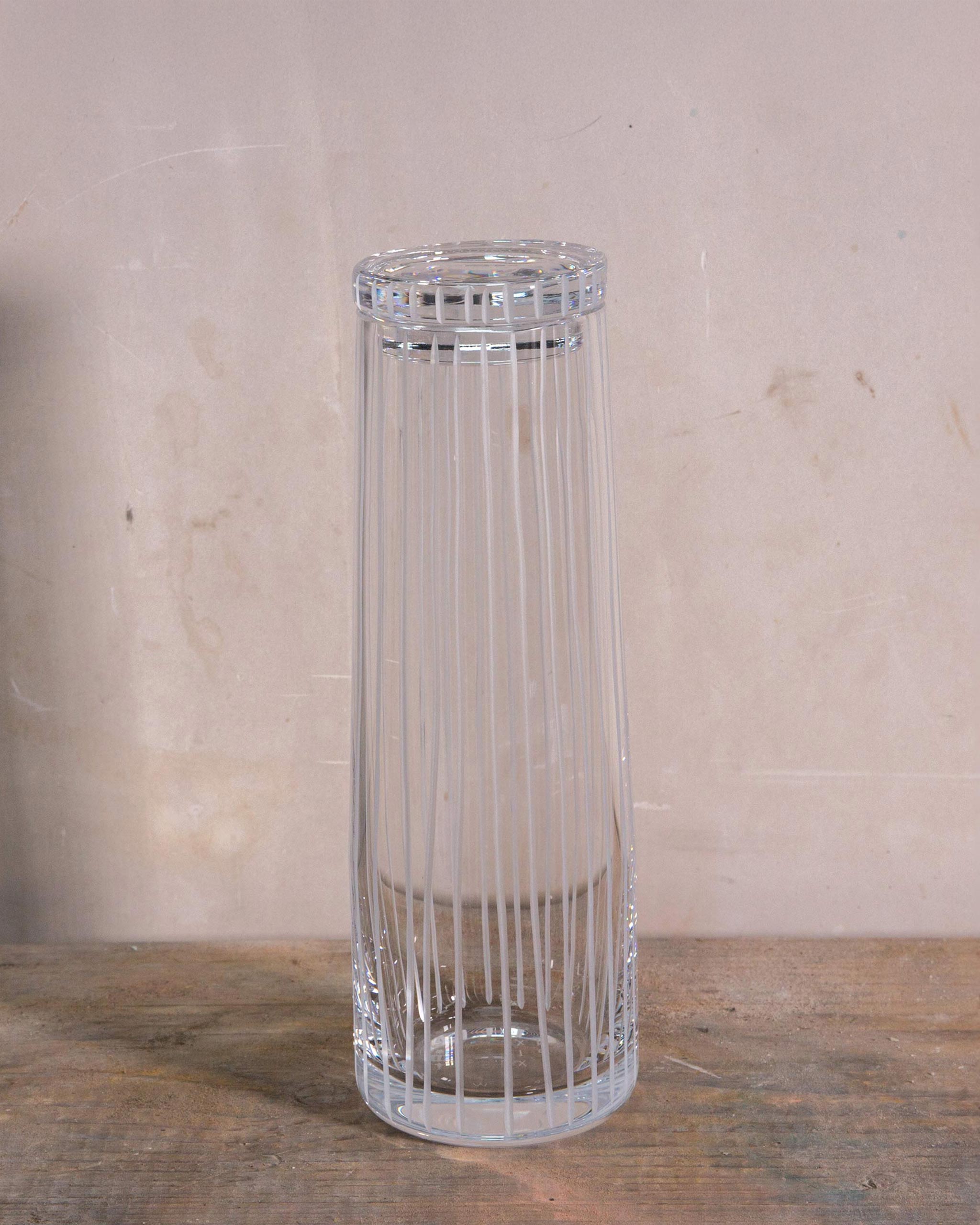
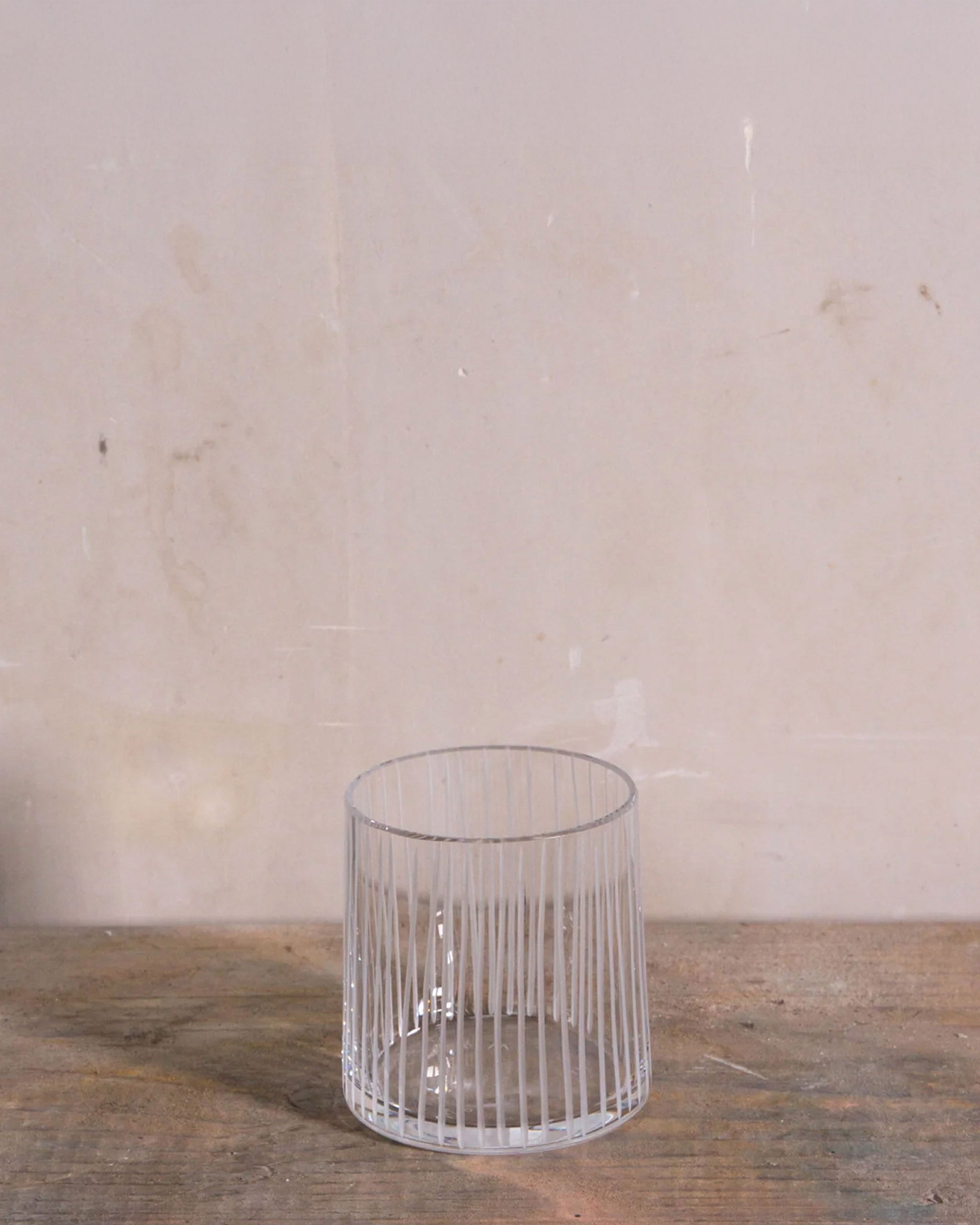
Hand Drawn Glass is a design collaboration between Irish artist and illustrator Nigel Peake and J. Hill’s Standard, resulting in a series of crystal pieces that fuse traditional craftsmanship with contemporary form. Peake—known for his intricate paintings and drawings of landscapes—brings his unique perspective on the textures and patterns found in nature to this collection.
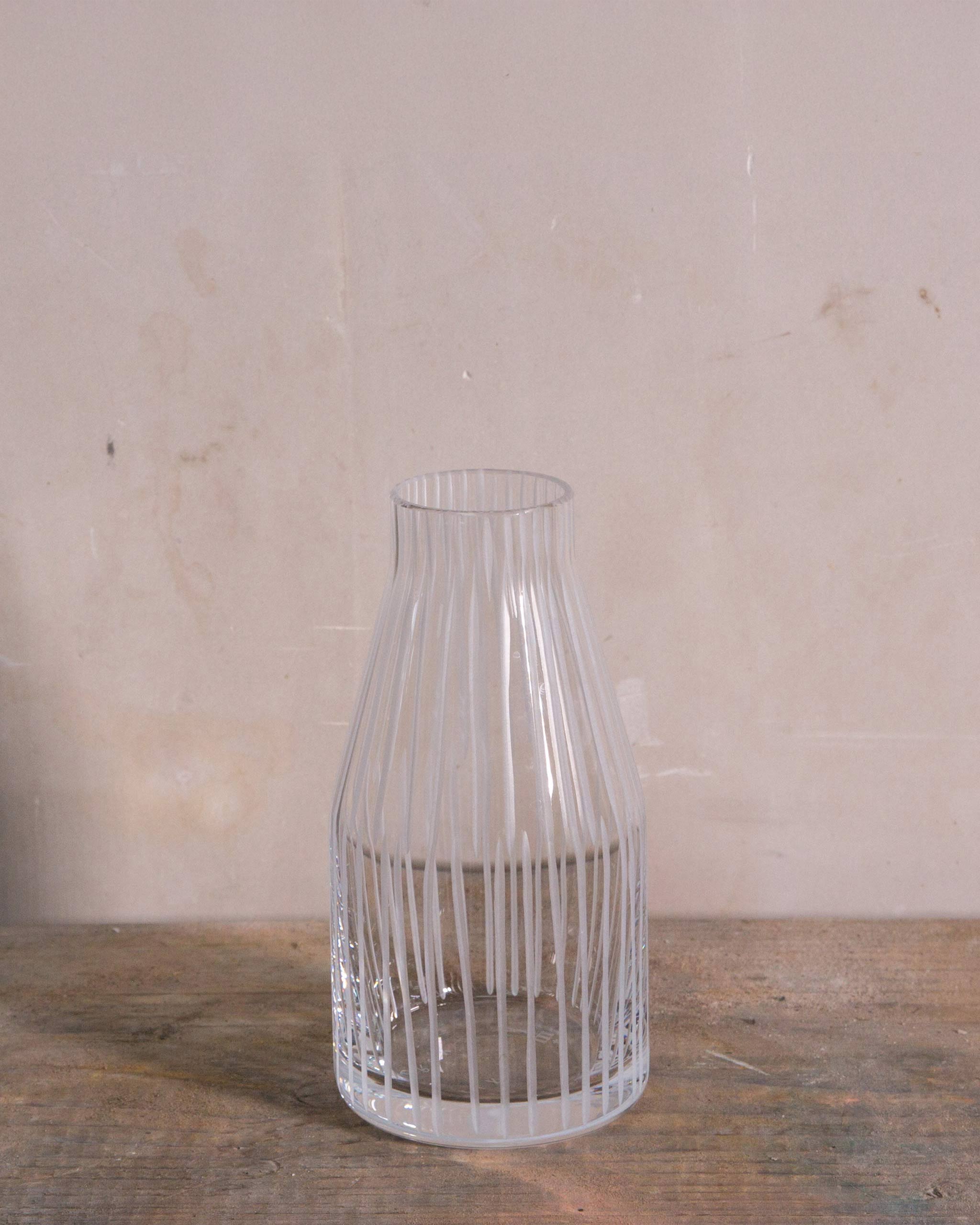
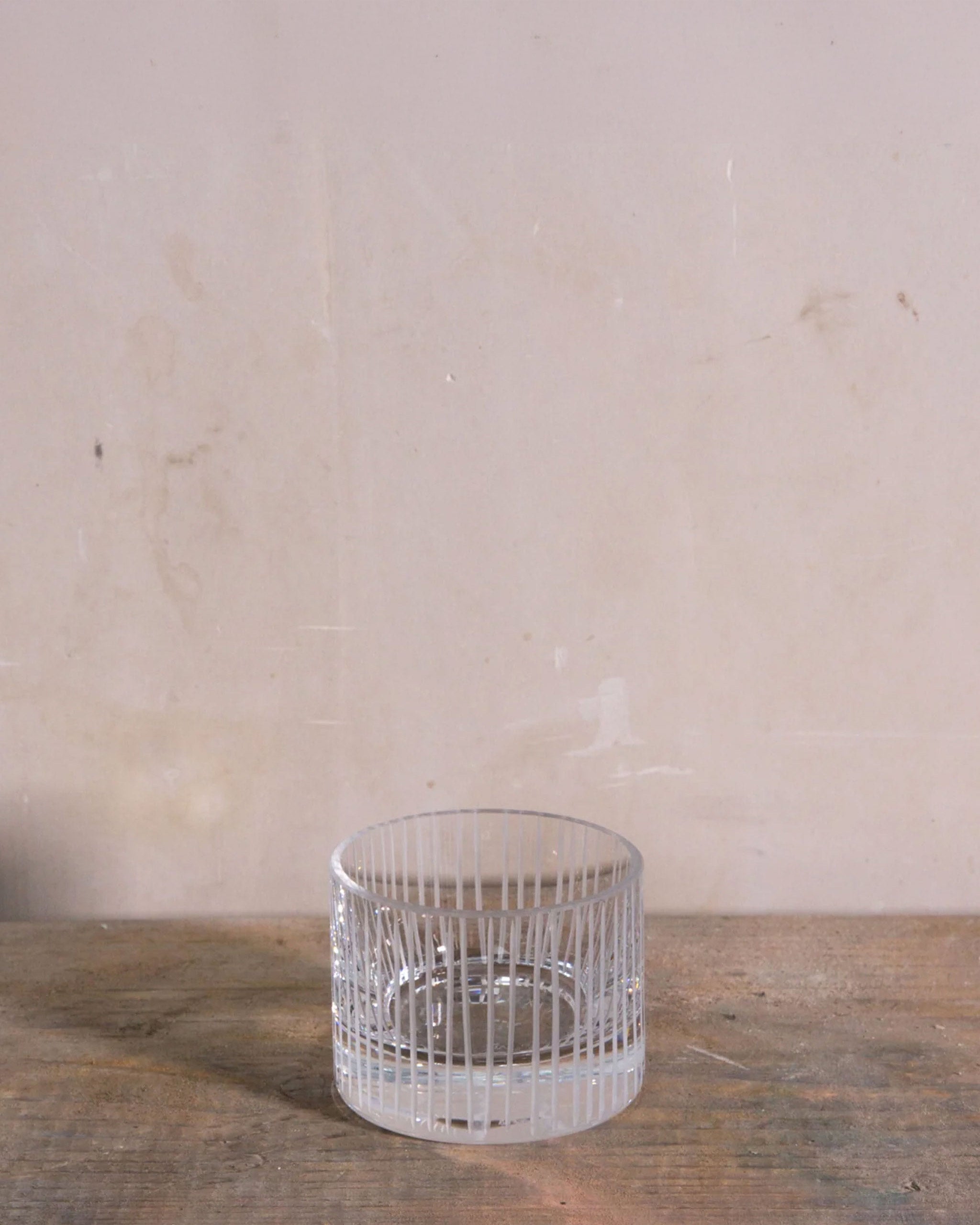
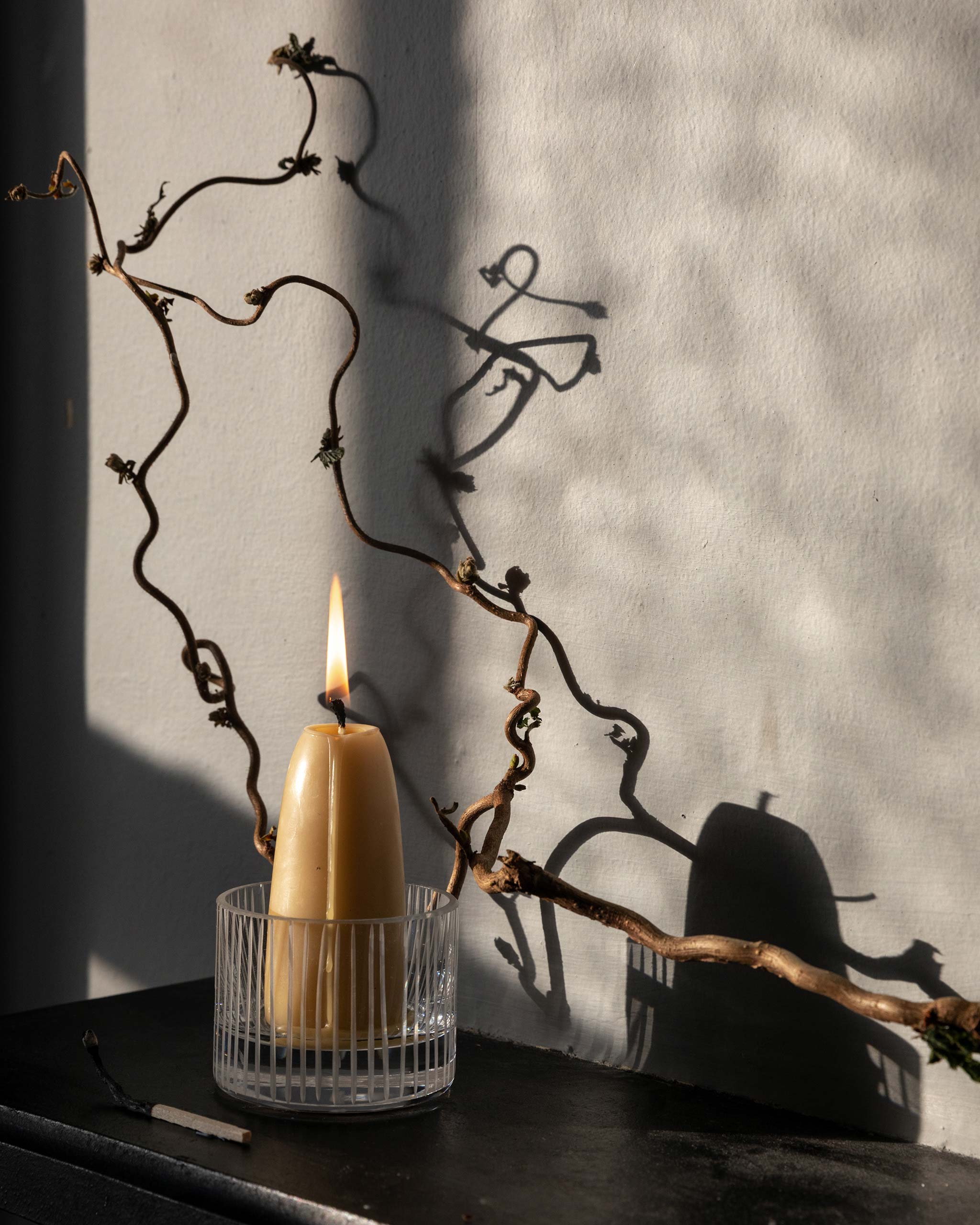
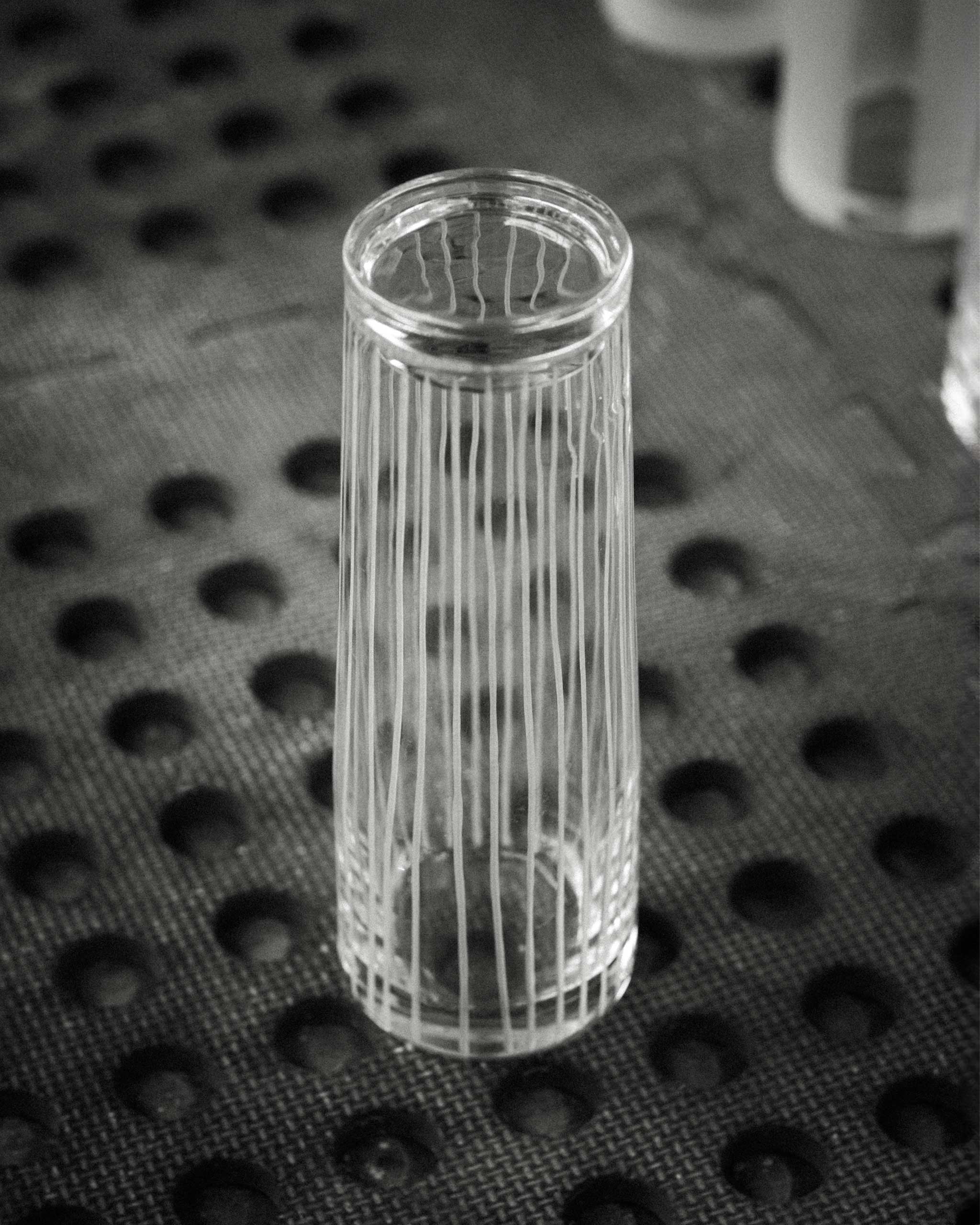
Fieldwork, a book of Peake’s drawings and references inspired by the Irish landscape, served as the starting point for the collaboration. Translating these studies into glass, he departs from the rigid geometry of traditional cut crystal and embraces a more fluid, spontaneous approach. Each cut captures the fleeting movement of the drawing hand, revealing the immediacy and rhythm of linework in the surface of the glass.
The Hand Drawn Glass Family comprises three interrelated collections: Loop, Over, and Row. From tumblers to carafes and decanters, every piece invites a quiet dialogue between material, maker, and place.
Loop Collection
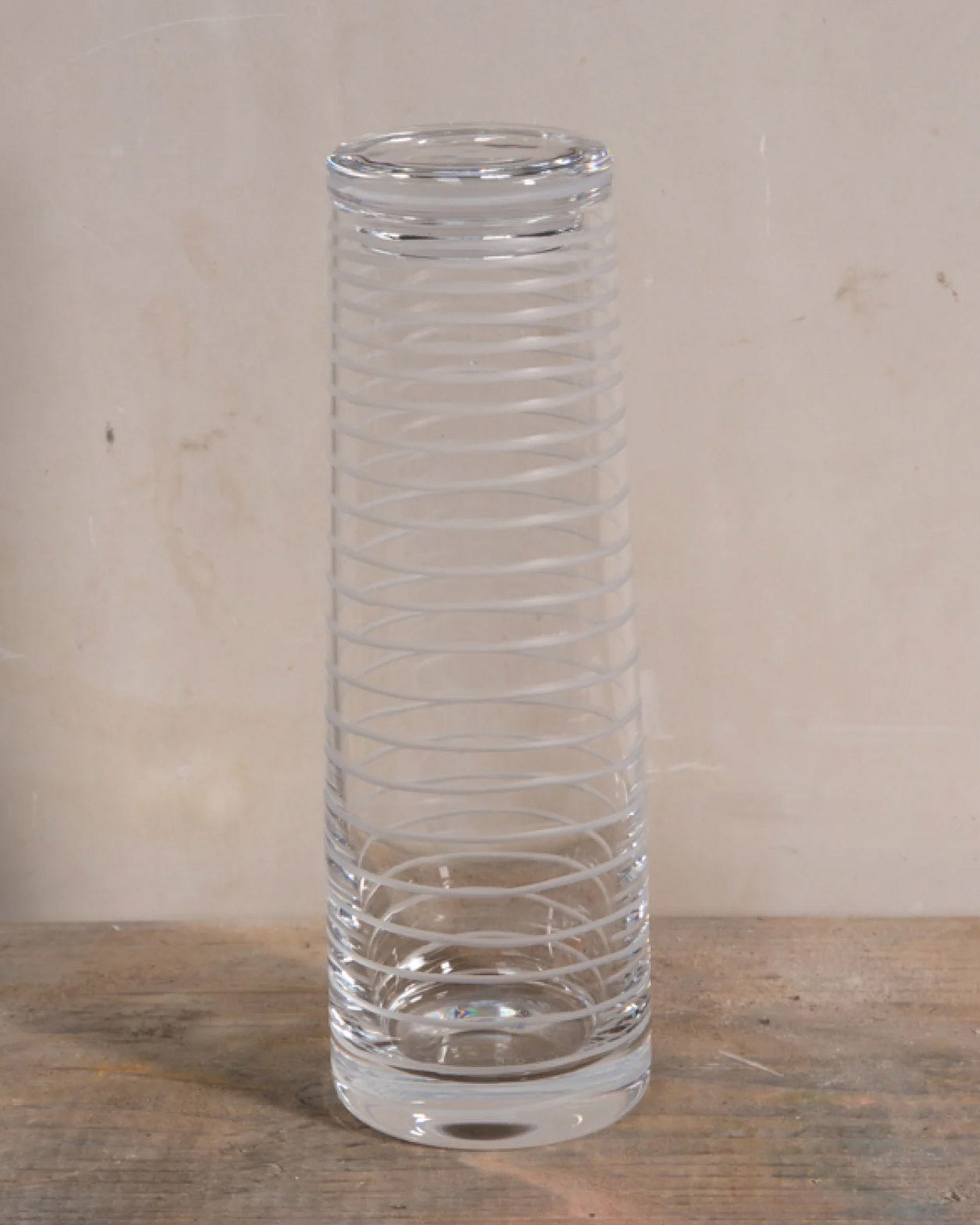
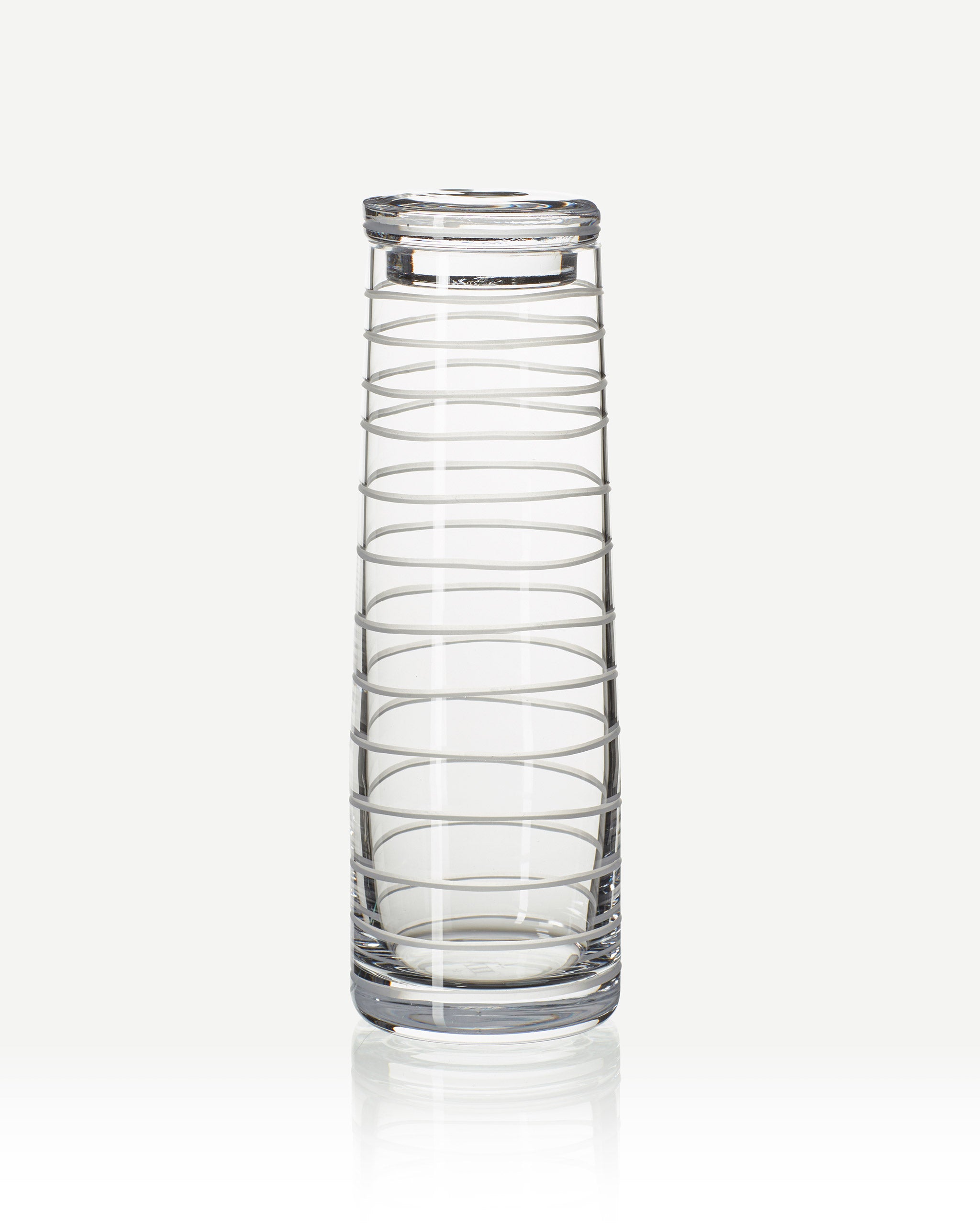
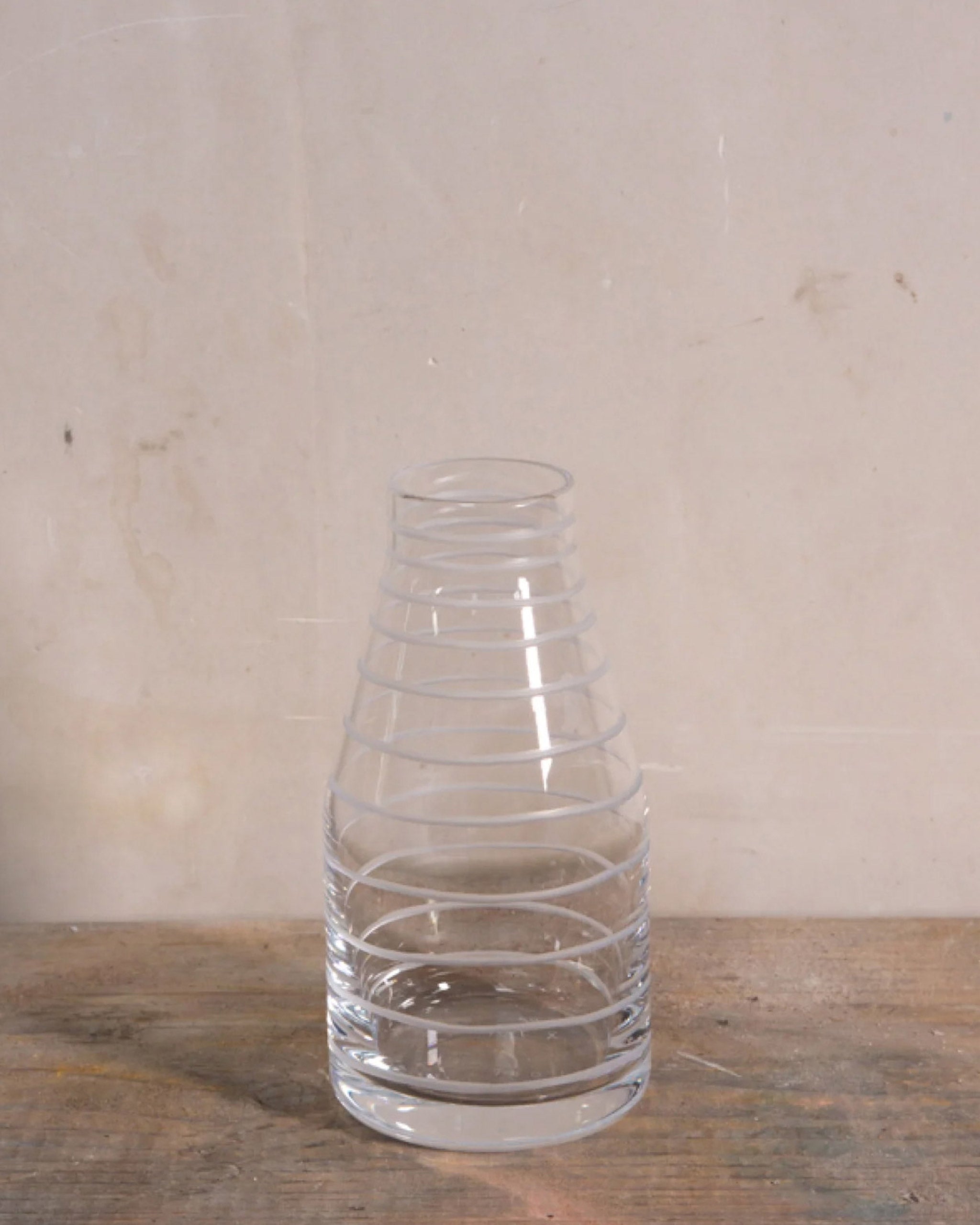
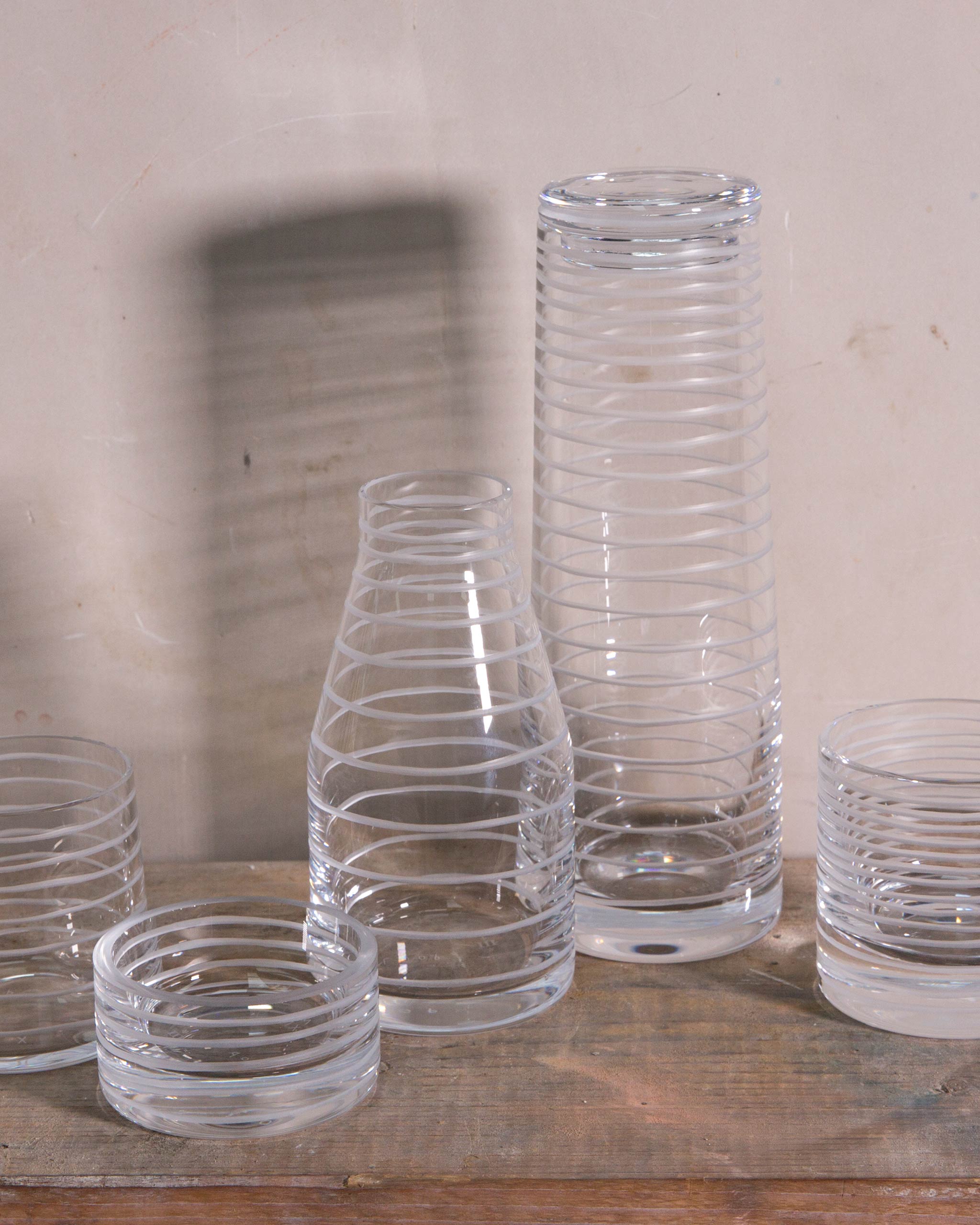
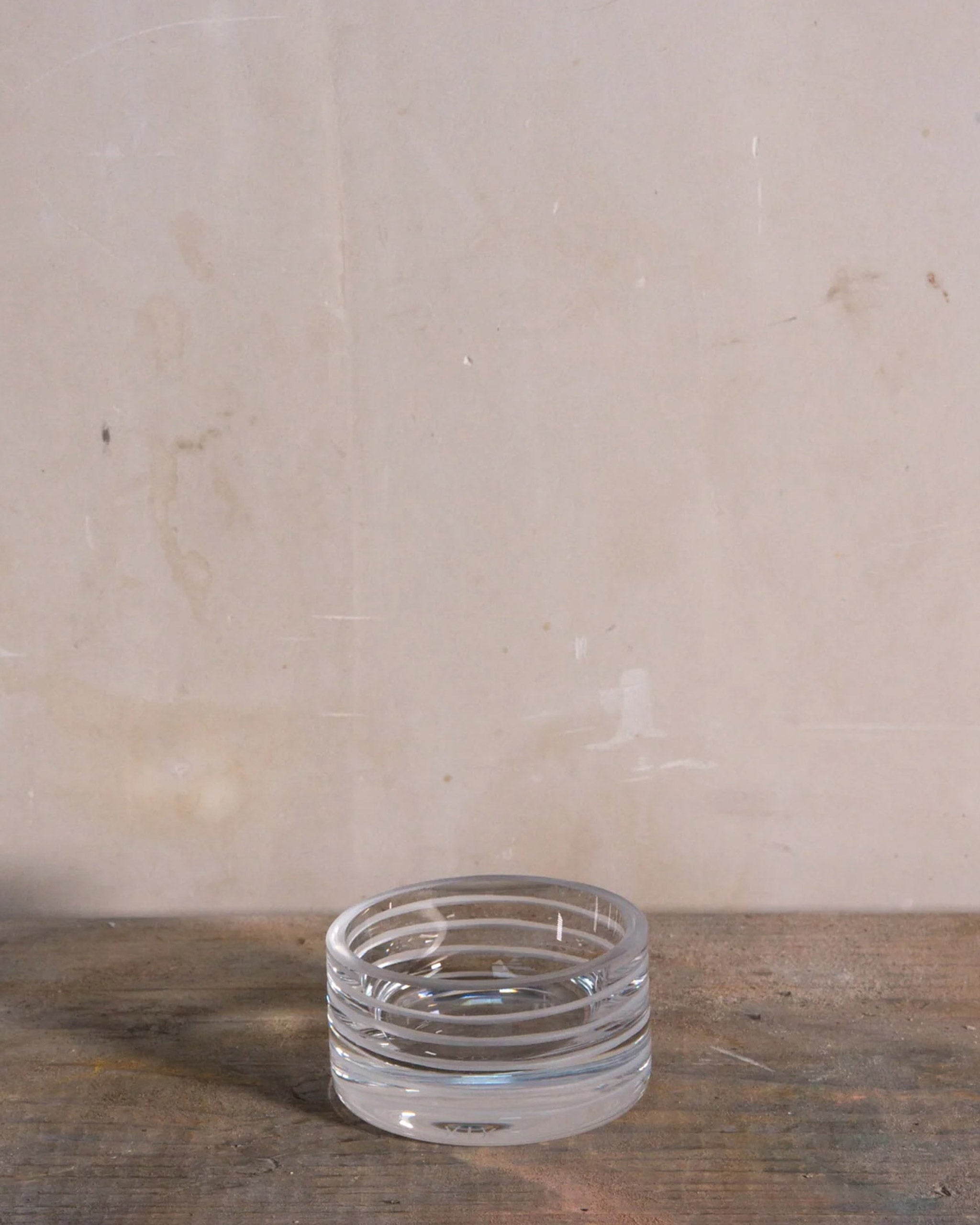

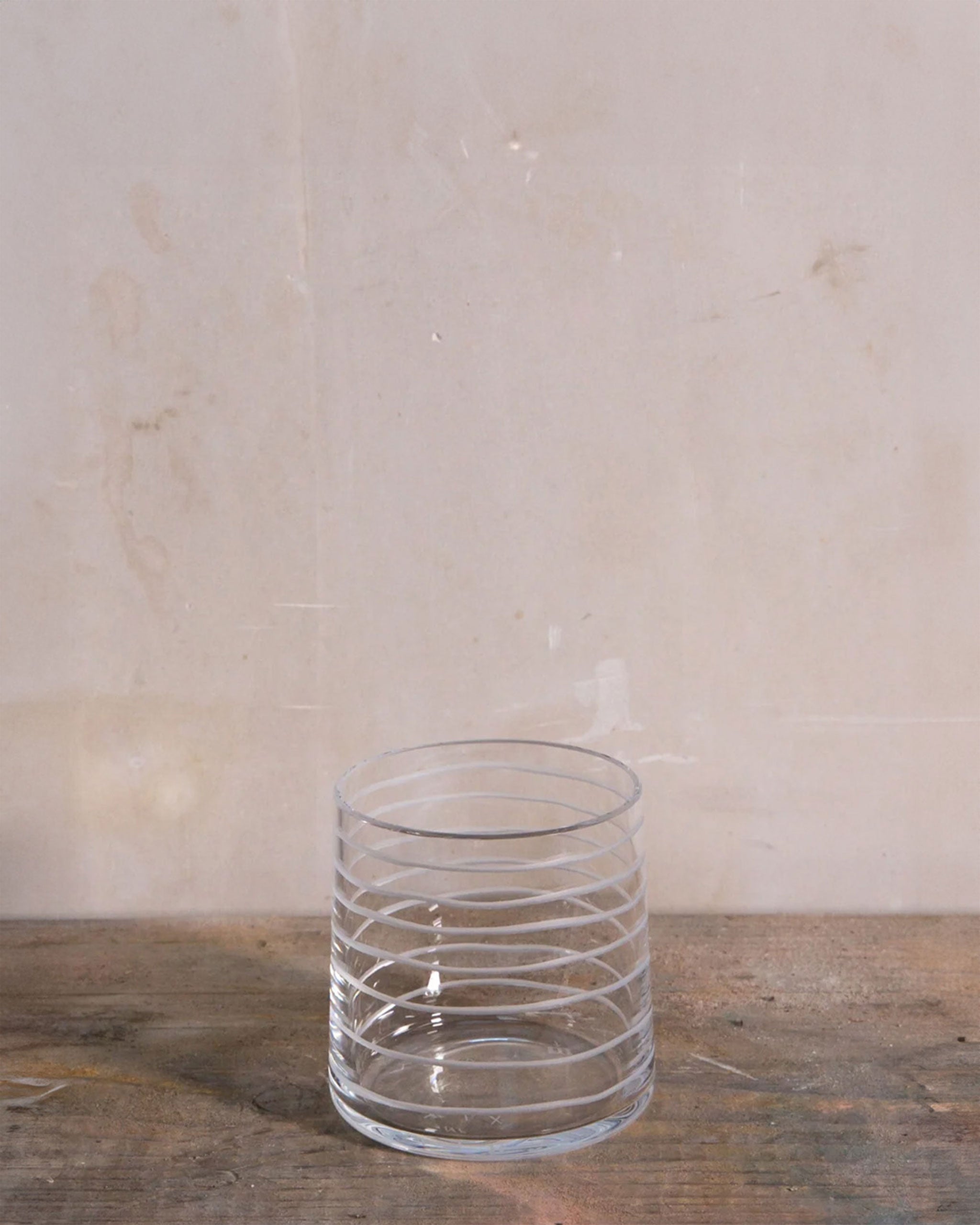
Over Collection
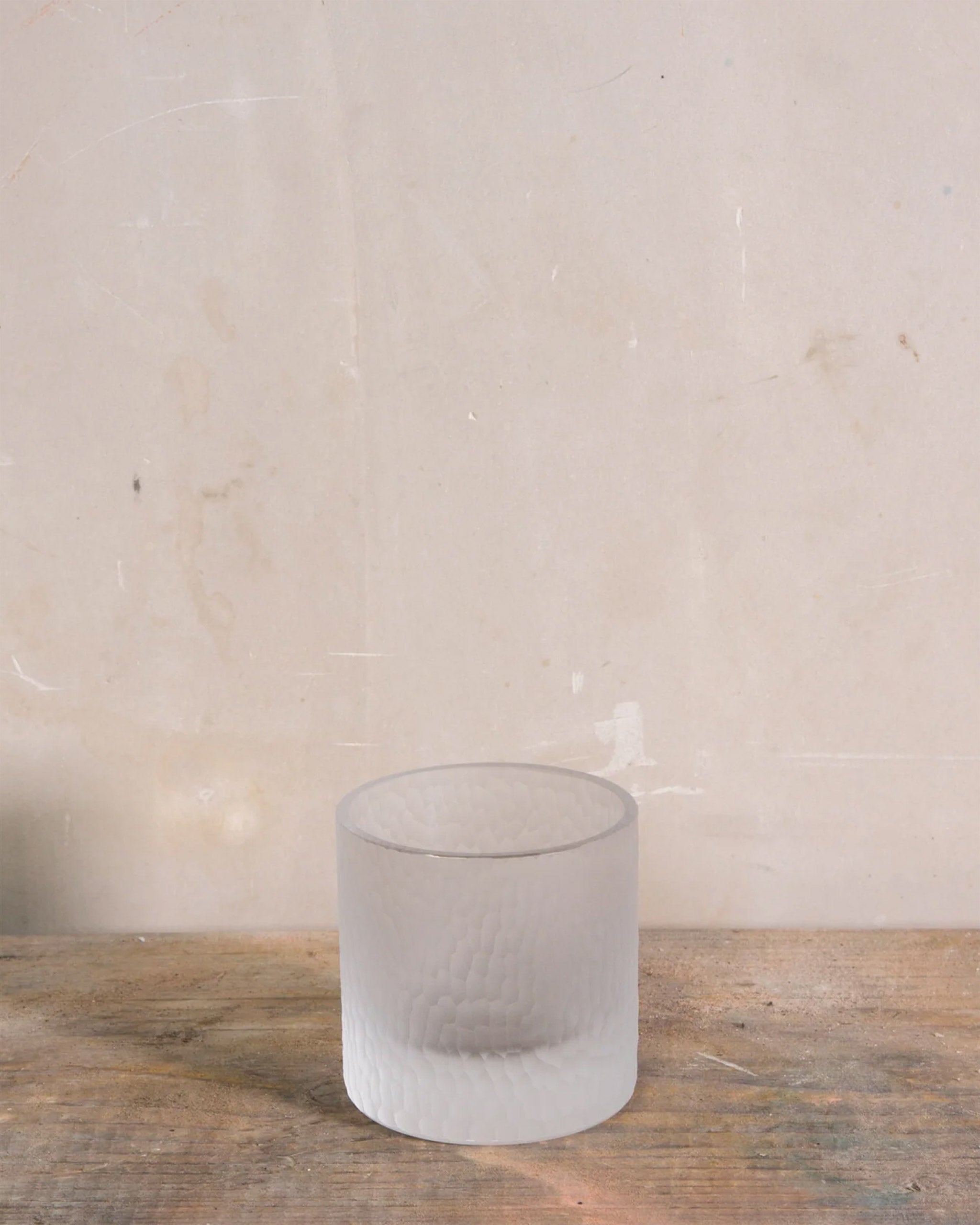




Row Collection

About the designer
Nigel Peake
Nigel Peake (1981) is an Irish architect and artist whose work traverses the boundaries between illustration, architecture, and landscape. Known for his intricate, hand-drawn compositions, Peake’s visual language is rooted in observation—of fields, cities, fences, and rhythms found in both the built and natural world. His drawings transform familiar forms into patterns of quiet complexity, each line offering a meditative study in texture and repetition.
Trained in architecture at the University of Edinburgh, where he received a commendation from the Royal Institute of British Architects in their President’s Medal Exhibition, Peake brings a structural sensibility to every page. His work has been commissioned by Hermès, Flos, and The New York Times, and exhibited in cities including Paris, Tokyo, London, and New York.
Across books, textiles, and collaborations, Peake continues to explore the poetics of place—rendering the invisible structures of landscape, memory, and movement into finely detailed, deeply personal works.